
How Arborist Companies Keep Your Trees Healthy Year-Round
Trees enrich our landscapes by providing shade, beauty, and a home for wildlife, but keeping them healthy requires professional care. Arborist companies specialize in understanding what trees need to thrive in every season, combining science, experience, and dedication to maintain their vitality. Their services range from detailed assessments to seasonal maintenance, ensuring each tree reaches its full potential. With consistent professional care, homeowners can enjoy safer, more vibrant trees that enhance property value and contribute to a healthier environment.
Conduct Comprehensive Tree Assessments
Comprehensive assessments form the cornerstone of professional tree care, giving arborists the insight to detect early signs of stress, disease, or structural weakness. Through detailed inspections, arborist companies identify potential hazards and tailor care strategies to each tree’s unique needs. Early detection allows for timely intervention, preventing minor concerns from escalating into costly damage. According to Scale of the Universe, there are about 500 different species of oak trees, each varying greatly in size and resilience, underscoring the importance of species-specific assessments. Arborists take into account not only the visual symptoms but also environmental factors like soil drainage and exposure to ensure a complete understanding of tree health.
Pest and disease detection are integral to this process. Arborists look for subtle signs of infestations or pathogens and recommend targeted treatments that protect long-term health. Soil testing also plays a key role, revealing hidden issues such as nutrient deficiencies or pH imbalances that affect growth. In some cases, arborists collect soil samples for laboratory testing to gain more detailed insights into microbial activity and mineral content. Evaluating structure and root systems ensures both safety and stability, helping arborists predict and prevent potential failures. By maintaining regular checkups, arborists can adapt care routines to seasonal changes, ensuring trees remain strong and resilient year-round.
Apply Strategic Pruning Techniques
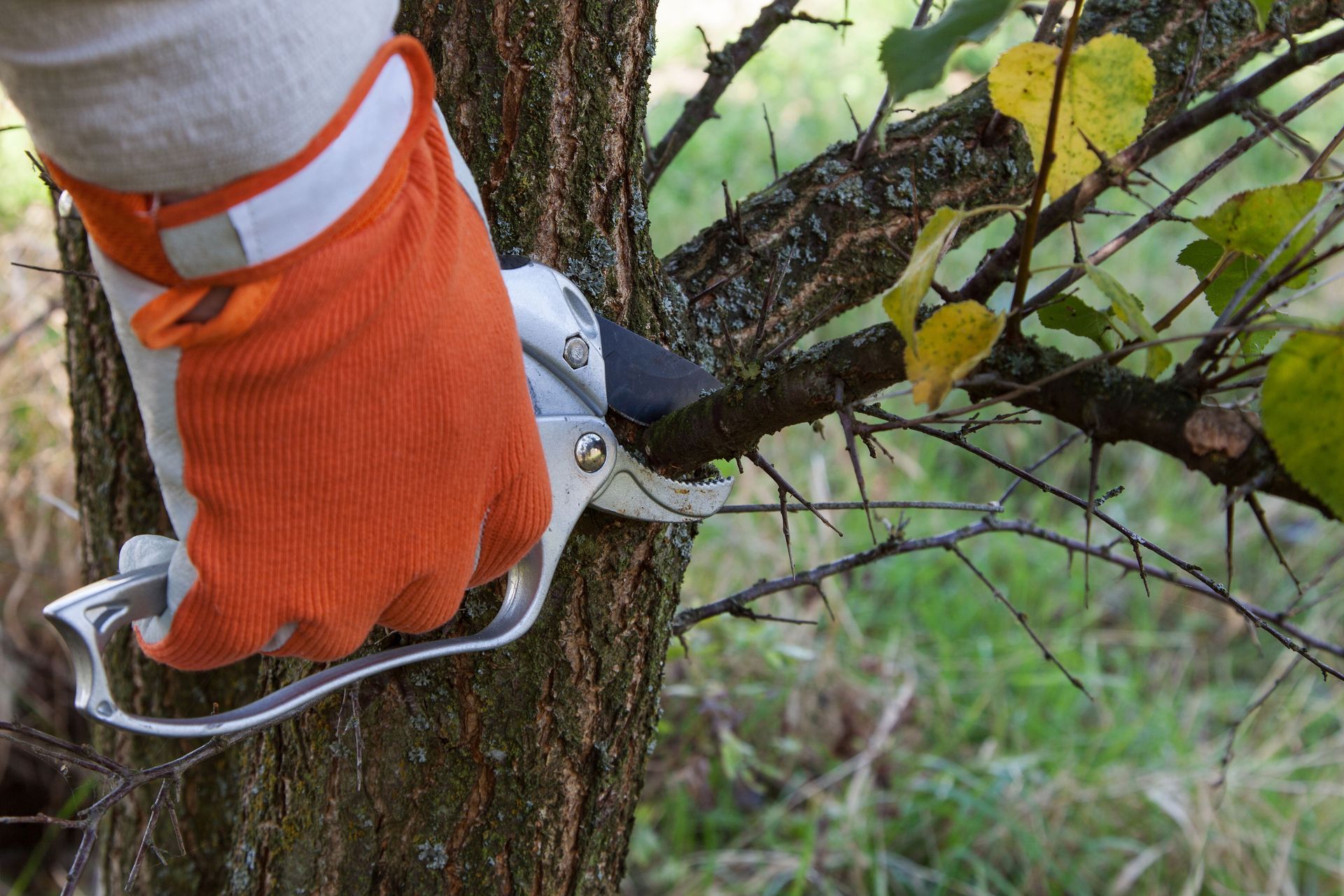
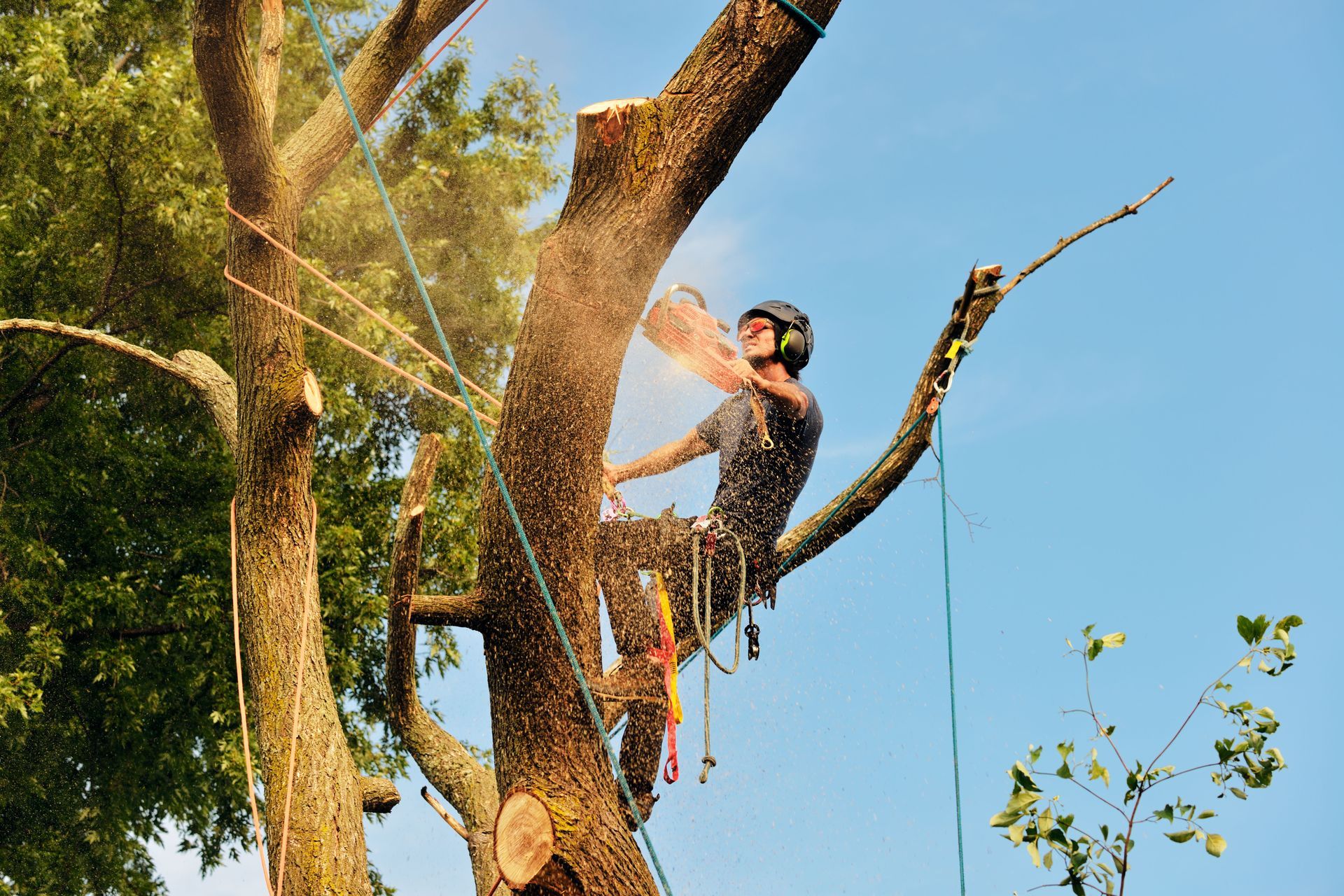
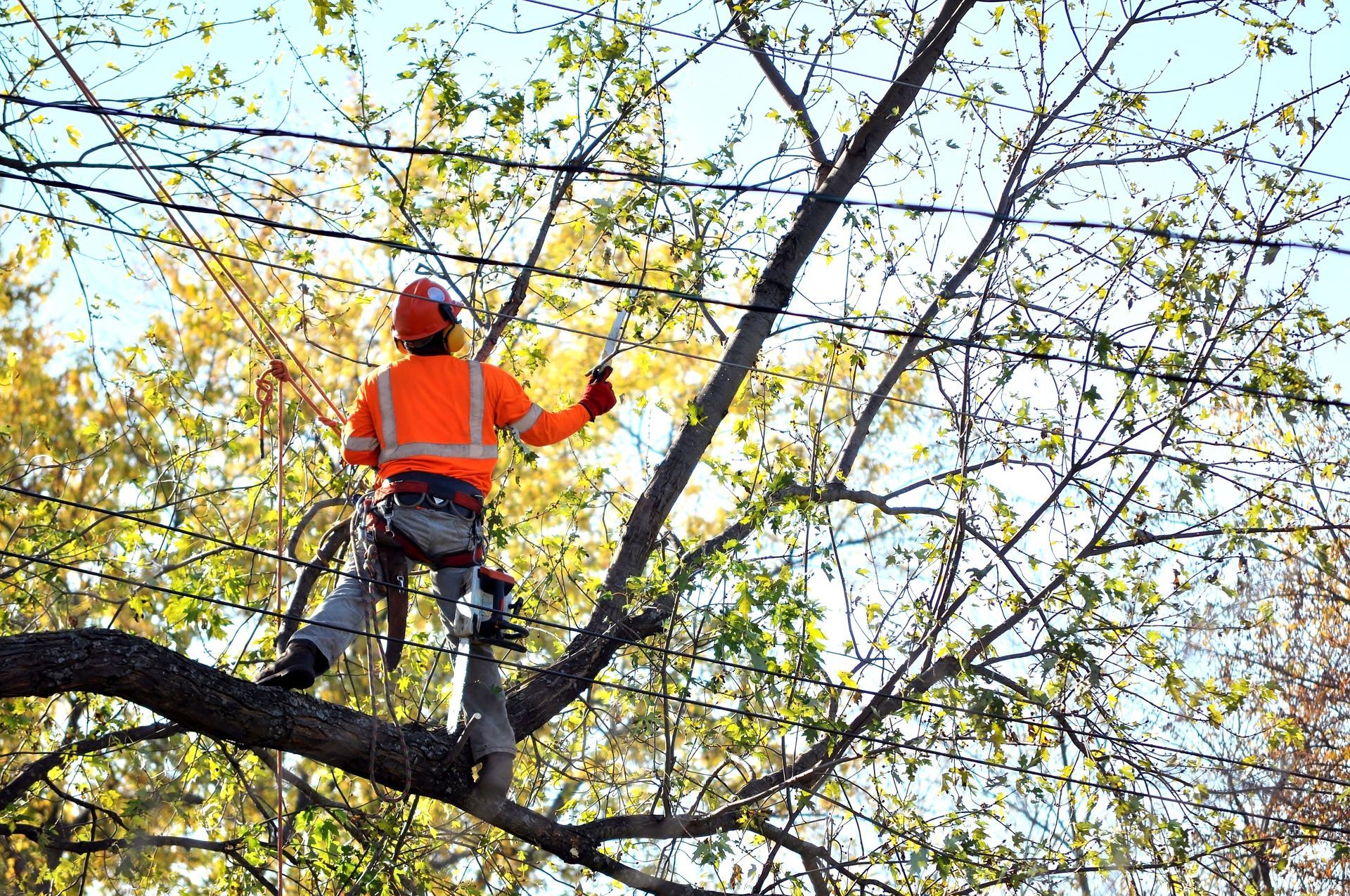
Pruning is both an art and a science—when done correctly, it strengthens trees, enhances shape, and prevents hazards. Arborist companies follow strategic pruning practices that encourage healthy growth and minimize stress. Timing is crucial; pruning during dormancy, such as in late fall or early winter, helps trees heal quickly and flourish in spring. In contrast, improper pruning during active growth can expose trees to disease and pest problems. A skilled arborist knows when and how much to prune, balancing aesthetics with biological function to maintain vitality.
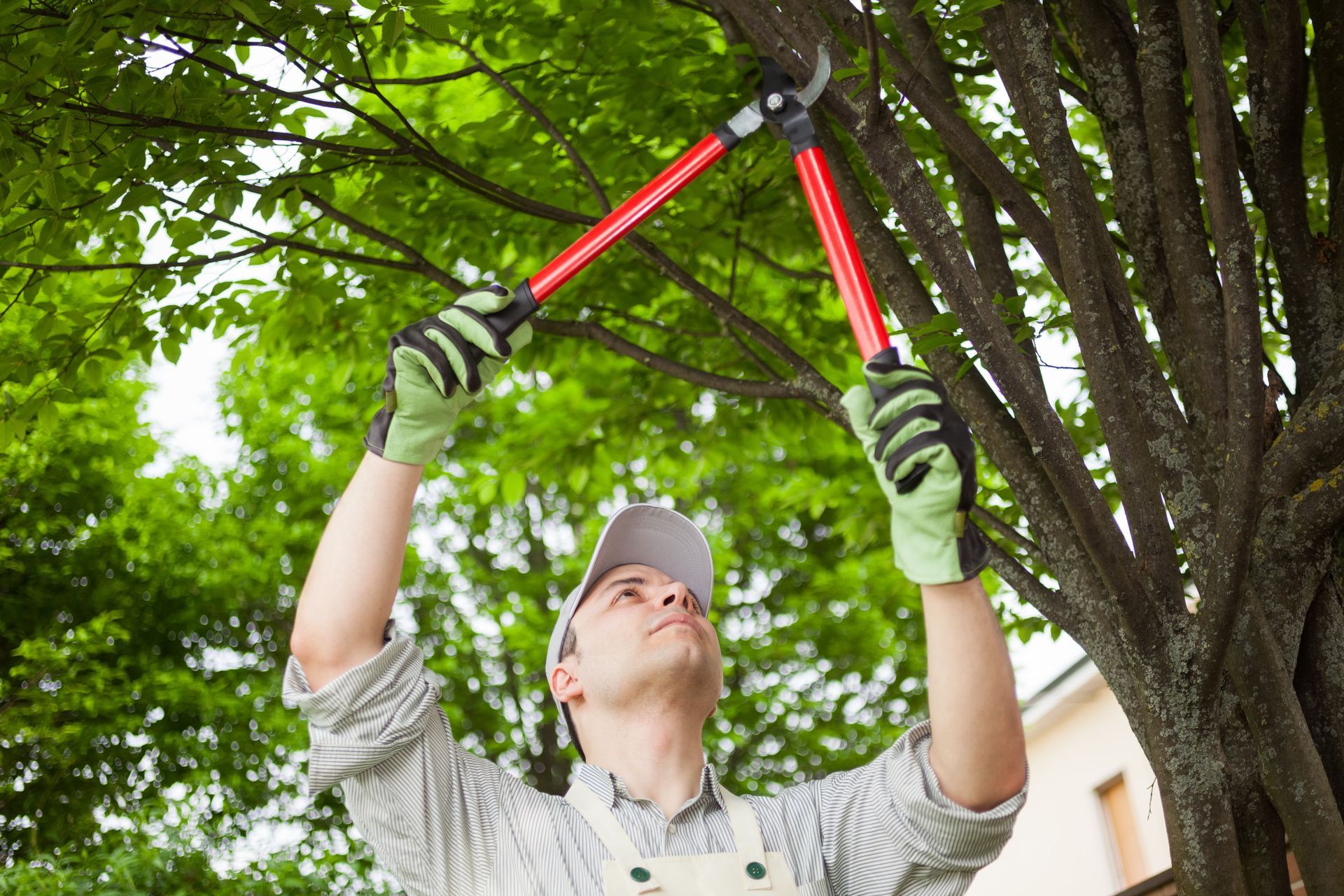
Techniques such as crown thinning and reduction improve light penetration and air circulation, reducing the risk of storm-related damage. Removing dead or diseased branches also curbs the spread of infection and promotes new, healthy growth. In addition, careful branch spacing supports balanced canopy development, improving stability and minimizing the risk of breakage. Arborists employ precision cutting methods to preserve the tree’s structure and natural beauty while ensuring safety for nearby structures. With trained professionals handling the process, homeowners can maintain trees that are both visually appealing and structurally sound, contributing to a more polished and healthy landscape.
Improve Fertilization and Soil Management
Healthy soil is the foundation of vibrant trees, and arborist companies excel in diagnosing and correcting nutrient imbalances. They analyze soil composition and leaf health to determine nutrient needs and recommend the right fertilizers—organic or inorganic—based on those findings. Organic fertilizers enhance long-term soil structure, while inorganic options provide immediate nutrient boosts, allowing arborists to create balanced, sustainable growth plans. In some cases, a combination of both may be used to meet both short-term and long-term goals effectively.
Soil compaction is another challenge addressed through aeration techniques like core aeration or vertical mulching, which improve oxygen flow and water absorption around roots. These methods foster strong root systems that better withstand drought and environmental stress. Arborists often integrate fertilization and aeration within broader maintenance programs, tailoring them to local soil types and tree species. They may also recommend adding mulch or organic compost to regulate moisture and improve soil texture. This proactive approach promotes vigorous growth and helps trees resist disease, ensuring they stay healthy from the roots up and continue thriving even under challenging conditions.
Control Pests and Diseases Effectively
Pest and disease management is essential to protecting trees from harmful infestations and pathogens. Arborist companies rely on a proactive approach rooted in Integrated Pest Management (IPM), which combines multiple strategies to minimize damage and reduce the use of harsh chemicals. This method focuses on prevention—regular inspections, habitat modification, and targeted treatments—to maintain ecological balance while safeguarding tree health. IPM emphasizes the relationship between the environment, pests, and beneficial organisms, creating a balanced system that supports sustainable landscapes.
When pest problems arise, arborists may use biological controls such as beneficial insects or microorganisms that naturally limit pest populations. If chemical treatments become necessary, they are applied selectively to avoid harming surrounding vegetation or wildlife. Continuous observation allows arborists to track pest behavior and adjust strategies based on results. Ongoing monitoring ensures treatments remain effective and environmentally responsible, while maintaining the health of pollinators and other beneficial species.
Restore Tree Health and Promote Recovery
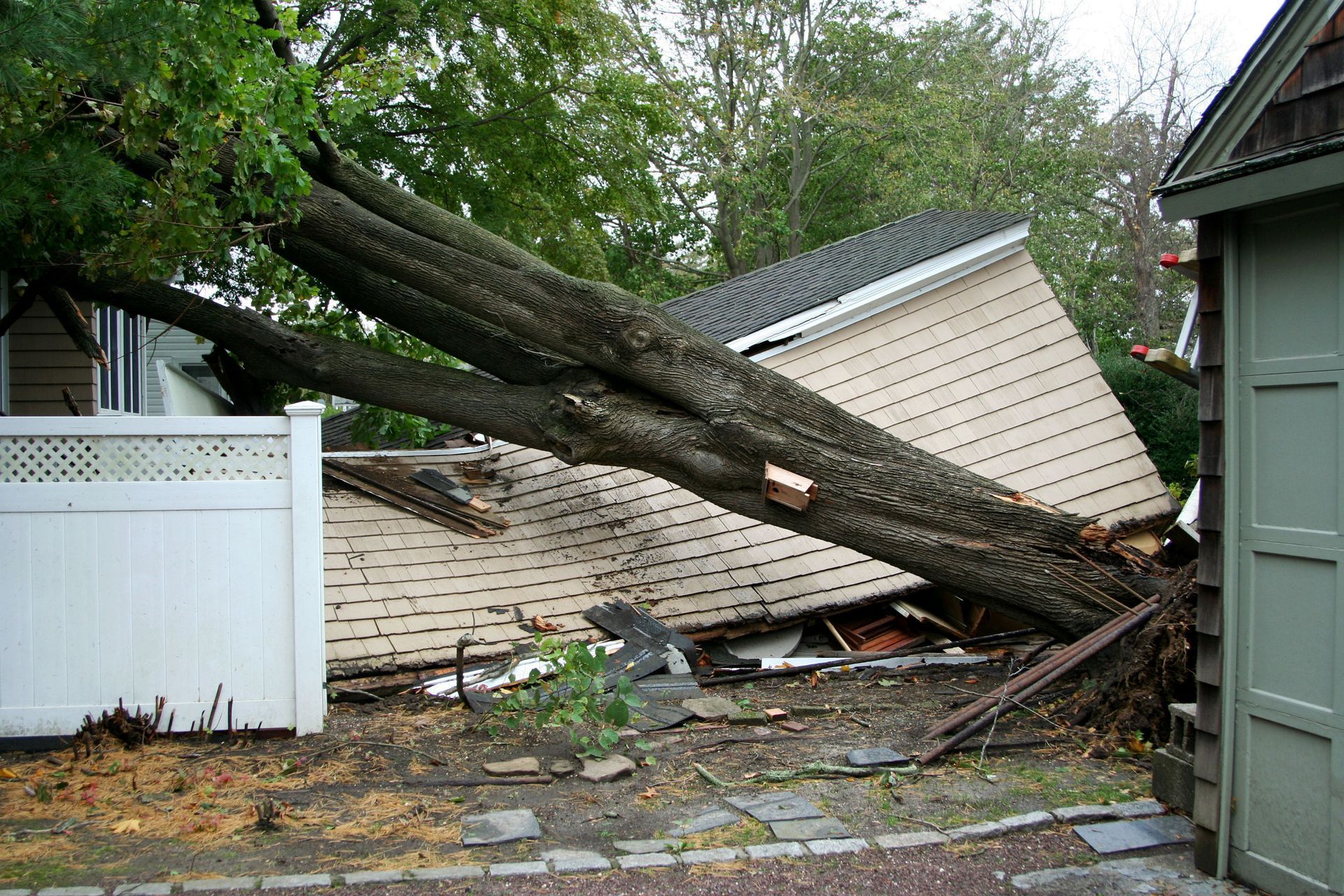
Even with careful maintenance, trees can experience stress from storms, poor soil, or environmental shifts. Arborist companies are skilled at recognizing early warning signs—wilting leaves, discoloration, or stunted growth—and implementing restorative measures before decline becomes irreversible. Regenerative pruning removes damaged or diseased areas, allowing energy to refocus on new, healthy growth. In cases of severe damage, arborists may combine pruning with soil conditioning treatments to restore balance and stimulate regeneration from the roots upward.
Structural support methods, including cabling and bracing, stabilize weakened limbs or trunks, preventing breakage and prolonging a tree’s lifespan. When root systems are compromised, arborists address compaction and improve soil aeration to restore nutrient uptake and overall health. They may also install root barriers to redirect growth and prevent future structural conflicts. These recovery techniques are part of personalized restoration plans that adapt to each tree’s specific condition. By combining rehabilitation strategies with consistent monitoring, arborists help trees regain their strength and beauty while maintaining safety and stability in the landscape, ensuring that mature trees continue enriching properties for decades.
Maintain Trees Through Seasonal Programs
Every season brings new challenges, and arborist companies design maintenance programs that anticipate these changes. In winter, they protect trees from cold stress through mulching and wrapping techniques. As spring arrives, they encourage new growth with pruning, fertilization, and pest management. During the summer, arborists focus on stress reduction—monitoring irrigation systems, managing heat exposure, and watching for signs of pest activity. Fall maintenance prepares trees for dormancy, emphasizing debris removal and structural inspection. This year-round approach ensures that no aspect of tree care is overlooked.
Customized care plans account for regional climate, soil composition, and the distinct characteristics of each species. Arborists understand that no two trees are alike—some, like oaks, vary dramatically in size and environmental preferences. These tailored, seasonal strategies keep trees resilient throughout the year while enhancing the visual appeal of the entire property. Regular seasonal visits also allow arborists to track long-term progress and make adjustments as environmental conditions evolve. By investing in ongoing professional maintenance, homeowners safeguard the health and longevity of their trees while supporting a greener, more sustainable community.
Arborist companies play a vital role in sustaining the health, beauty, and safety of trees across all seasons. Their expertise in assessment, pruning, fertilization, and restoration ensures that trees not only survive but thrive for years to come. By investing in professional care, homeowners preserve the natural value of their landscapes and contribute to a greener, healthier environment. Trees are living assets that enrich our surroundings, and with the support of dedicated professionals, they can flourish for generations. For expert year-round care and personalized service, contact J&C Tree Experts today—let’s work together to keep your trees strong and thriving.
Share On: